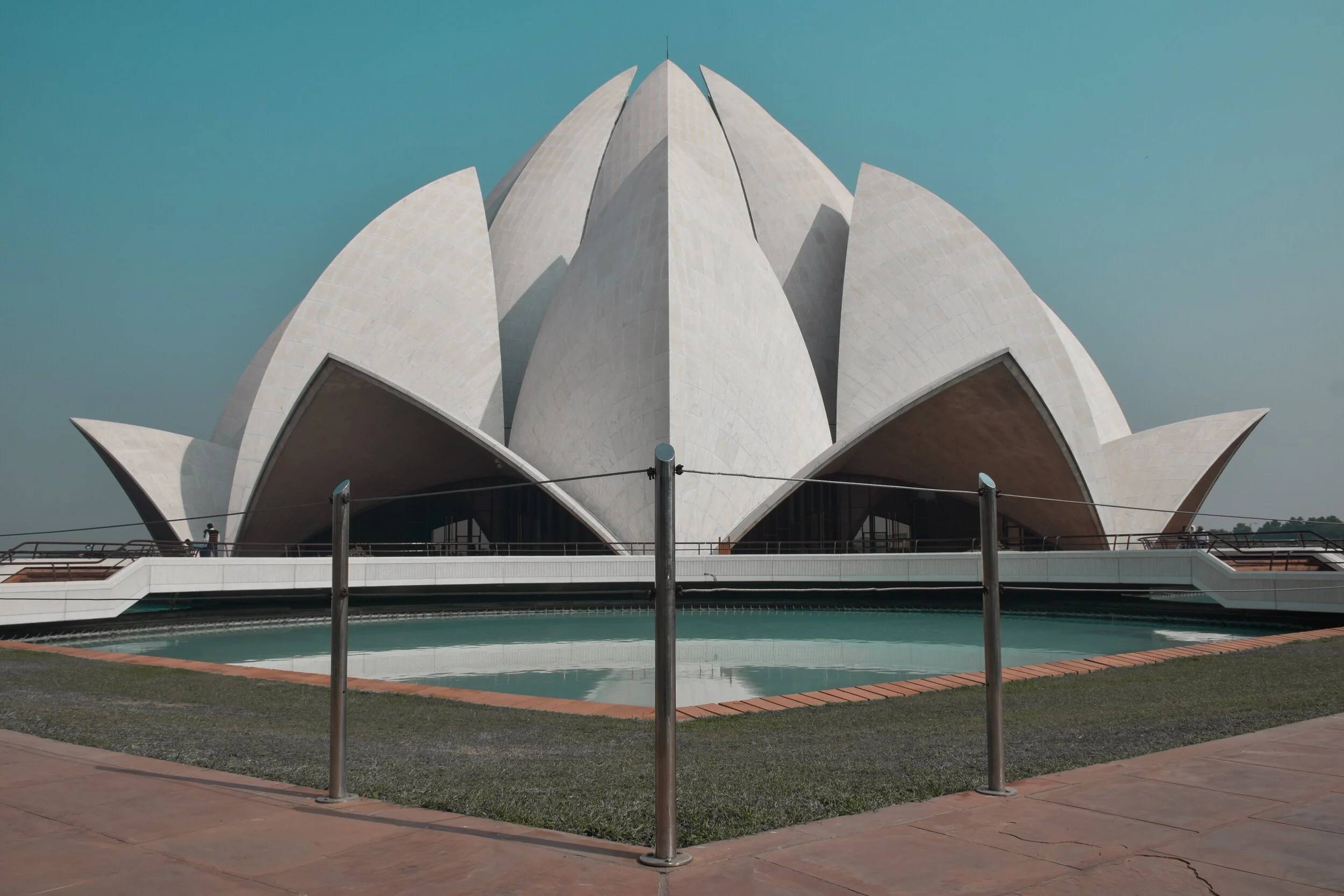
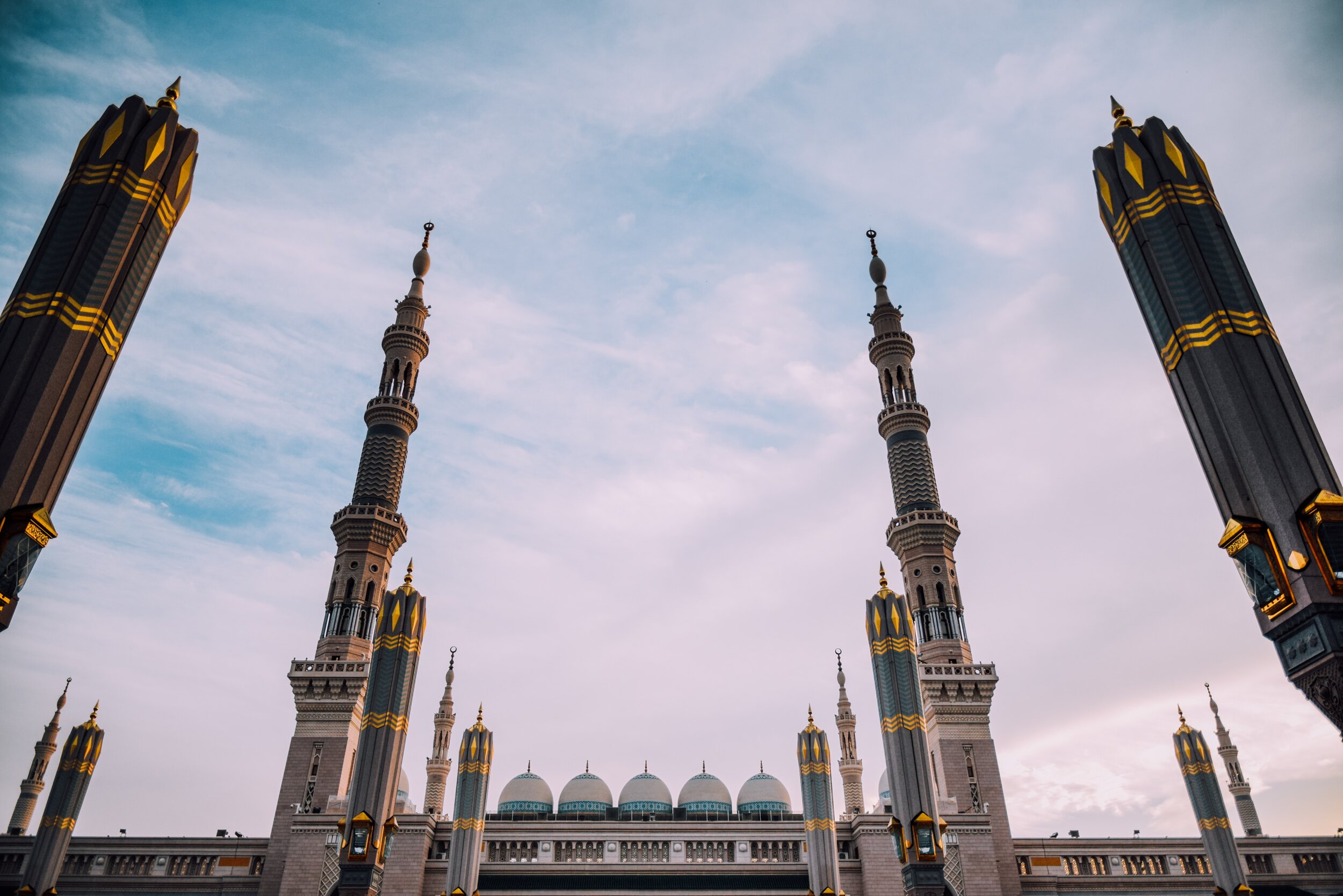
The Jama Masjid of Delhi or the Masjid-I Jehan-Numa is one of the largest mosques in India.

The Hagia Sophia or the Hagia Sophia Holy Grand Mosque is a famous place of Islamic worship in Istanbul, Turkey. It was formerly the Church of Hagia Sophia until the Fall of Constantinople in 1453 when it was converted to a Mosque by the Ottomans. The structure itself was built in AD 537 and has remained intact since with architectural changes over the years such as the addition of minarets in the 15th and 16th centuries. Because of its longevity, it has seen the rise and fall of many empires and is deep with cultural and historical significance. This is one of the reasons why this site was recognized as an UNESCO World Heritage Site in 1985.


The Great Pyramid of Giza is the oldest and largest of the pyramid in Egypt. It is estimated to have been built around 2600 BC and is 481 feet tall. It was built as a tomb for the Fourth Dynasty Egyptian pharaoh Khufu. It is also a part of the 7 Wonders of the Ancient World and is the oldest out of them and is also the most intact one to date. For its historical, cultural and religious significance, the pyramid complex in its entirety was designated a UNESCO World Heritage Site in 1979.


Mont Saint-Michel is a French Commune located on a tidal island in Normandy, France. The Abbey was built in the 8th century by St. Aubert after receiving a vision of St. Michel. This is also why it is considered a Roman Catholic site. It was considered to be both a place of passage and fortress for the Duchy of Normandy because of the repeated conflicts started in the 14th century. Because of its unique location, it is only accessible during low tide. Pilgrims and locals would carefully make the journey from mainland France to the Abbey. Because of its tenability and its natural defensive embankments, the French had considered this to be an extremely important stronghold in Normandy during the Hundred Years’ War. This site is rich with historical and cultural significance which is also why it is an officially designated UNESCO World Heritage Site.


The Tiger’s Nest or Paro Taktshang is a sacred Himalayan Buddhist temple complex located on the cliff face of the Paro valley in Bhutan. This location is sacred to Bhutanese and Tibetan Buddhists due to its rich history relating to the 13 Tiger’s Nest caves in historical Tibet where Vajrayana Buddhist practices were taught and studied by Guru Padmasambhava. This complex was built in 1692 where Guru Padmasambhava practiced and instructed students on Vajrayana Buddhism. He is credited with bringing Vajrayana Buddhism to Bhutan. Today, Paro Taktsang is one of the most well-known and famous of the 13 Tiger’s Nests where Padmasambhava studied and practiced Buddhism.


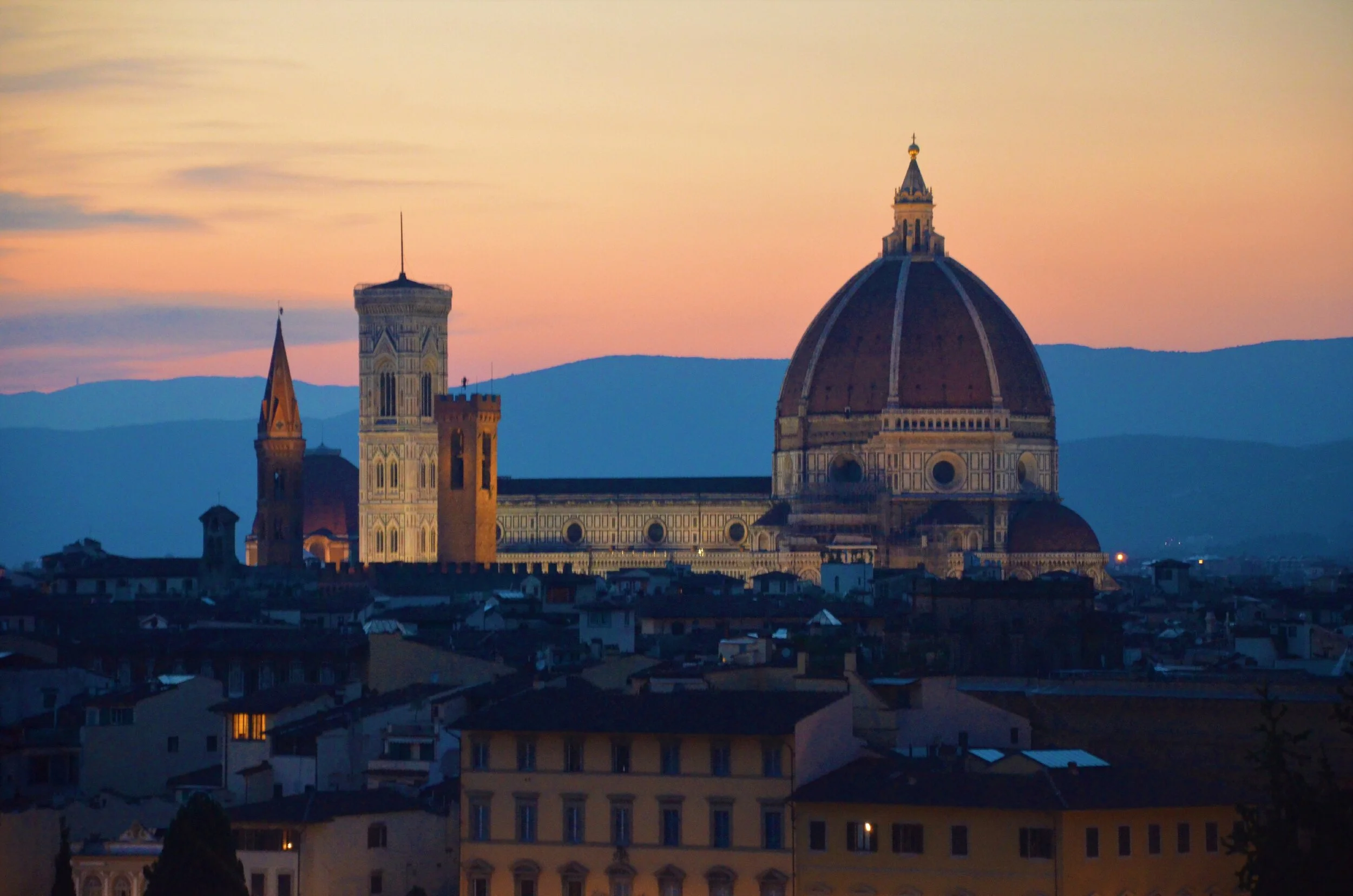
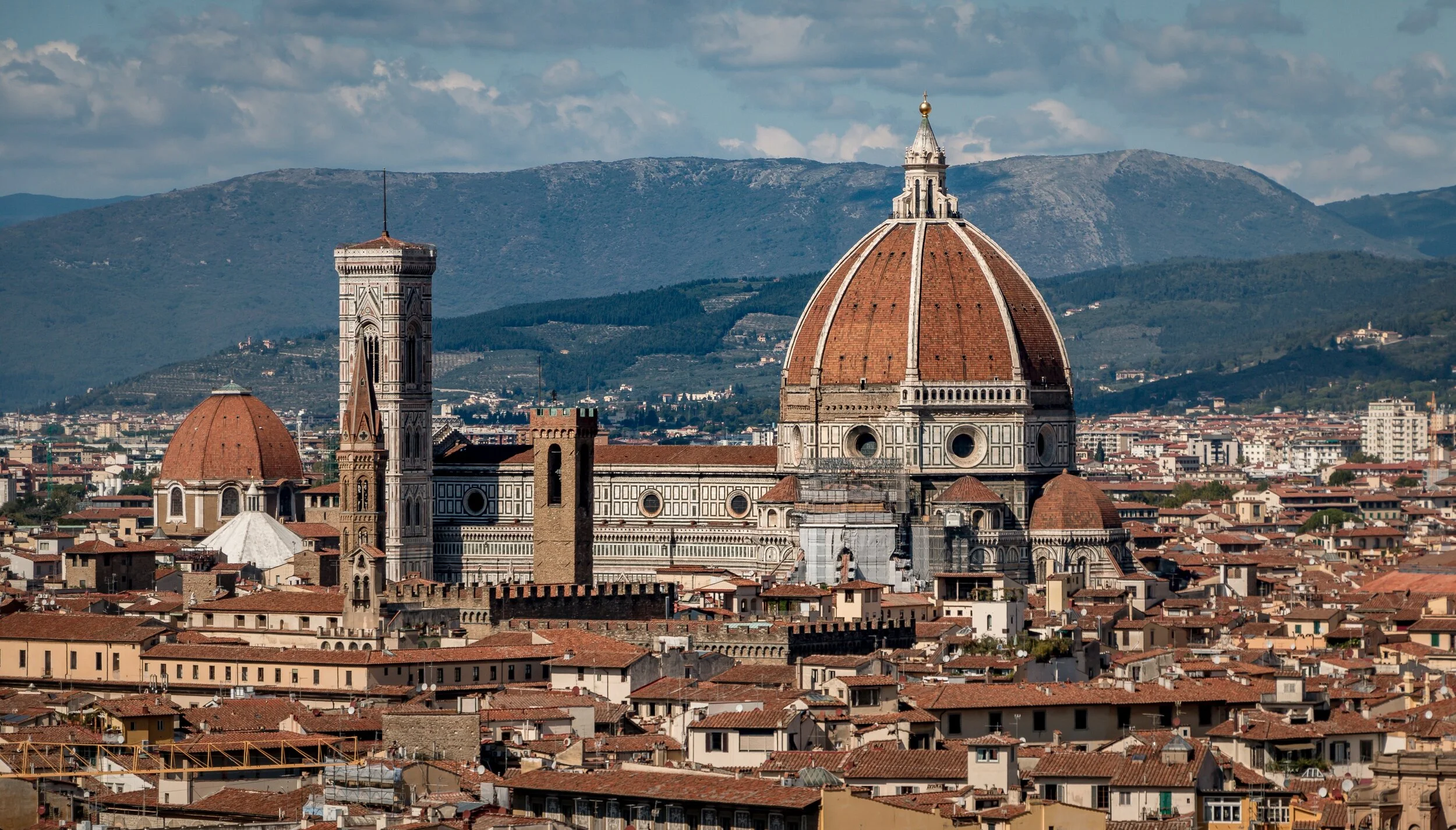
The Santa Maria del Fiore or Florence Duomo is a Roman Catholic church located in Florence, Italy. It took over 140 years to finish construction and is a major part of Florence’s renaissance history. It is an extremely important cultural, religious, and historical landmark in Italy. Because of its ornate decorations and gothic detailing or style, it is considered a relic of the past and serves as a reminder for a bygone era.


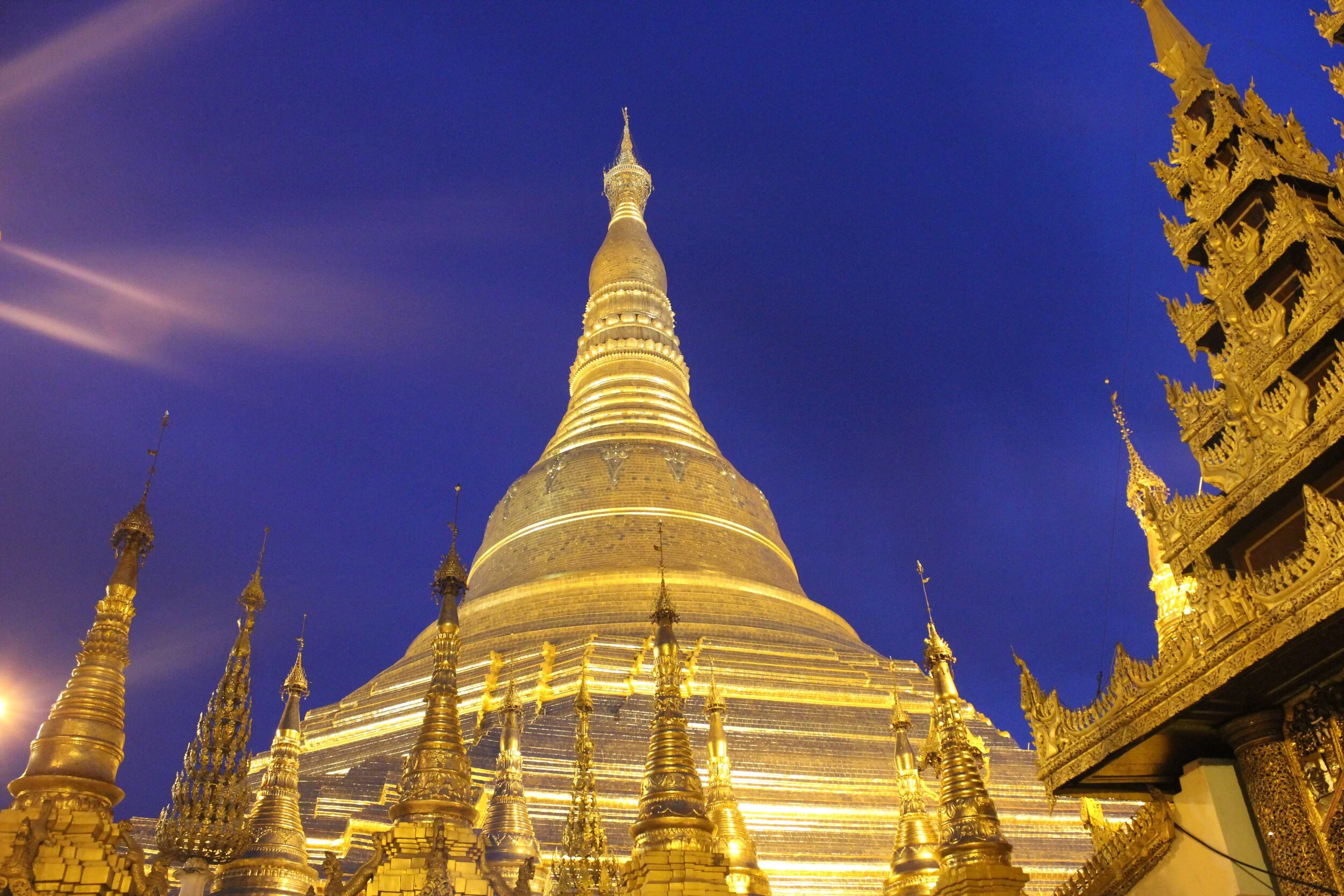
This is the Shwedagon Pagoda in Yangon, Myanmar (Burma). It is one of the world’s greatest architectural marvels and is one of the holiest and sacred Buddhist temples in the world. It has a gilded stupa or a dome-shaped structure with a pagoda featuring remnants of the Four Buddha. It is typically visited during the night to enjoy and absorb the ambience of the atmosphere and view the spectacle that is the enormous golden pagoda shining in the night sky.



St. Patrick’s Cathedral is the most famous and most popular of New York City’s religion sites and locations. It is a Neo-Gothic Roman Catholic Church created in the 1850s to 1880s. It is situated in the heart of New York City on 5th avenue near many large skyscrapers. Due to the bustling nature of the city, the area is always incredibly busy but is especially busy during mass, weddings and other special events.


Reorient yourself to faith that is upright, resembling the nature of God in which He created mankind. There should be no alteration in God’s creation – the right faith (be preserved), but most people seem ignorant. (30:30) – what is the true nature of human existence? Our affirmation of faith in God and our human goodness to everyone and everything that we come in contact with. Truth and justice to be restored constantly, every time we fail ourselves individually and collectively
God made him (mankind) complete and breathed into him of His spirit, and gave you ears, eyes and hearts – yet, you give thanks but little! (32:9) – what does being thankful means? It is to use God-given senses and intellect to direct our efforts and pursuits towards truth and justice and to benefit all of humanity, while taking care of ourselves and our loved ones.
Evil of corruptions has appeared on land and on sea based on activities propagated by human beings that God may make them taste the consequences of what they have done. Perhaps they will reassess (their conducts) (30:41) – political corruption, social and economic injustice, profiteering, racial and gender inequity, pollutions, deforestations, rise of atheism, mistreatment of cows and chicken in cages to feed consumers hooked to fast and unhealthy food, etc. are just some of many examples of our contemporary rise in corrupt behavior that feed our animal instincts and diminish our human spirit. We need to rethink our priorities and reestablish our human purpose.